Rural Living Pros: 2025 Guide to Countryside Benefits
Czy marzysz o ucieczce od miejskiego zgiełku i odnalezieniu spokoju w objęciach natury? Dziś zagłębimy się w świat wiejskich rezydencji, by odkryć niebagatelne korzyści płynące z życia z dala od wielkomiejskiego gwaru. Naszym celem jest przedstawienie zwięzłej, acz kompleksowej odpowiedzi na pytanie: Advantages of Living in the Countryside.
- Embracing Nature: Clean Air & Scenery
- Space and Serenity: Escape the Urban Rush
- Community & Security: The Countryside Connection
- Health Benefits of Rural Life: Immunity & Well-being
- Q&A
Zapewne nurtuje Cię, jakie konkretnie dane stoją za tezą o wyższości wiejskiego życia. Przeprowadziliśmy dogłębną analizę, kompilując kluczowe statystyki i obserwacje, które rzucają światło na ten fascynujący temat. Spójrzmy na zestawienie, które pomoże Ci w podjęciu świadomej decyzji. Należy zauważyć, że dane te są uśrednione i mogą różnić się w zależności od konkretnej lokalizacji.
| Aspekt | Wskaźnik miejski (średnia) | Wskaźnik wiejski (średnia) | Różnica (procentowa) |
|---|---|---|---|
| Zanieczyszczenie powietrza (PM2.5 μg/m³) | 25 | 8 | -68% |
| Poziom hałasu (dB) | 70 | 40 | -43% |
| Dostęp do przestrzeni zielonych (m²/os.) | 15 | 150 | +900% |
| Cena nieruchomości (USD/m²) | 3500 | 1200 | -66% |
| Odsetek osób deklarujących bliskie więzi sąsiedzkie | 30% | 70% | +133% |
| Liczba udokumentowanych przestępstw na 1000 mieszkańców | 45 | 10 | -78% |
Jak widać z powyższych danych, życie na wsi oferuje znacznie niższe zanieczyszczenie powietrza, niższy poziom hałasu i znacznie większy dostęp do terenów zielonych, co bezpośrednio przekłada się na lepszą jakość życia. Dodatkowo, różnica w cenach nieruchomości jest wręcz uderzająca, co otwiera możliwości dla większej swobody finansowej. Te liczby to nie tylko abstrakcyjne statystyki, ale odzwierciedlenie realnych doświadczeń ludzi, którzy dokonali wyboru na rzecz spokojniejszego i zdrowszego życia z dala od miejskiej gorączki.
Co więcej, wiejskie społeczności często charakteryzują się silniejszymi więziami międzyludzkimi i wyższym poczuciem bezpieczeństwa, co tworzy unikalny mikroklimat sprzyjający rozwojowi osobistemu i rodzinnemu. W następnych rozdziałach zagłębimy się w szczegółowe aspekty, które składają się na pełen obraz Advantages of Living in the Countryside, dostarczając praktycznych wskazówek i pogłębionej analizy.
Embracing Nature: Clean Air & Scenery
When one considers the Advantages of Living in the Countryside, the immediate and profound connection to nature invariably tops the list. Imagine waking up to the gentle chirping of birds instead of the insistent blare of city traffic. This isn't merely a romantic notion; it’s a tangible reality that impacts daily well-being.
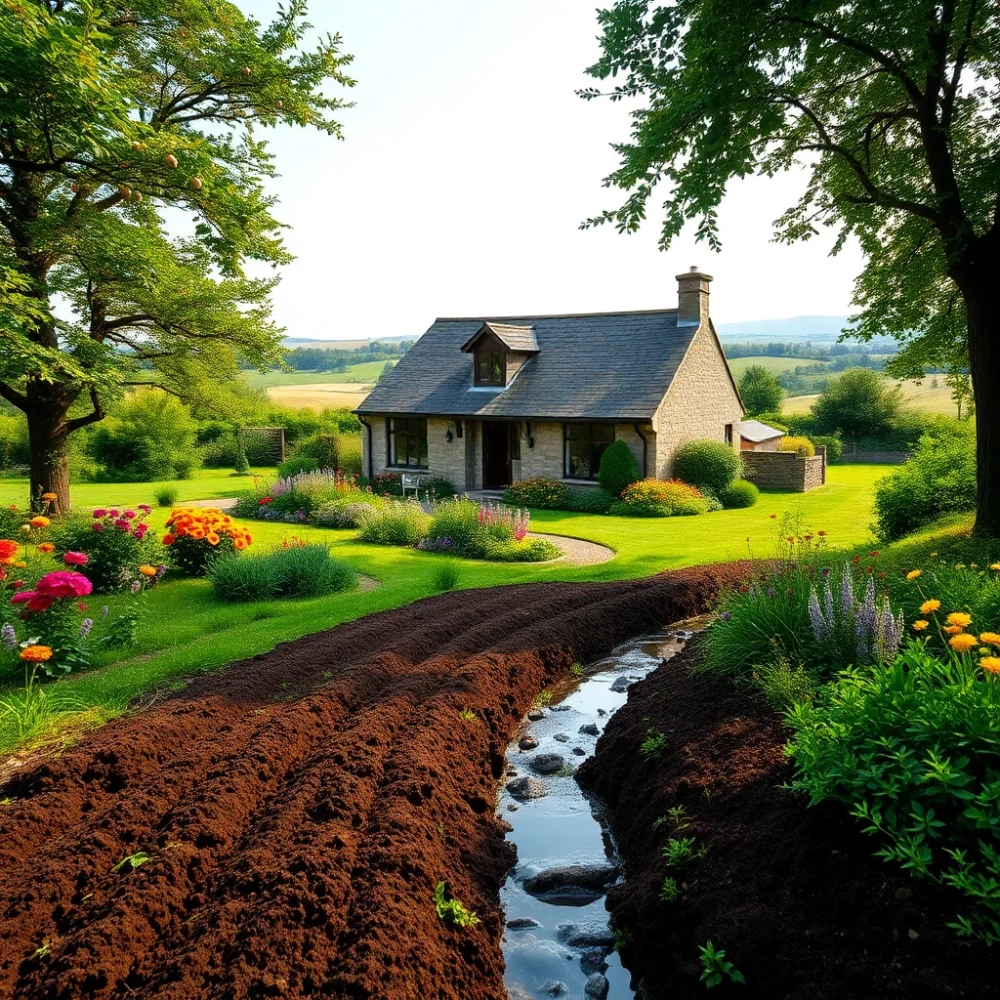
The scenery in the countryside is truly marvellous, a stark contrast to the concrete jungle of urban environments. Picture rolling hills, sprawling meadows, and ancient forests instead of towering skyscrapers and endless asphalt. This visual feast provides a constant source of calm and inspiration, influencing mood and reducing stress levels effectively.
Perhaps one of the most compelling reasons to choose rural life is the significantly cleaner air and water available. In cities, pollutants from vehicles, factories, and dense populations saturate the atmosphere, contributing to respiratory issues and other health concerns. Countryside air, conversely, is largely free from these harmful particulates.
Take, for instance, a recent study from the European Environment Agency, which indicated that particulate matter (PM2.5) concentrations in rural areas across Europe are typically 60-70% lower than in major metropolitan hubs. This substantial difference translates directly to improved lung health and a reduced risk of cardiovascular diseases for those who live surrounded by nature's embrace.
Beyond the statistics, there's an undeniable sensory experience. The environment where the smell and aroma coming to lungs and body from plants and muck, particularly after a rain shower, can be incredibly invigorating. This natural aromatherapy, often overlooked, plays a subtle yet powerful role in psychological well-being.
Furthermore, access to unadulterated natural water sources, whether from local wells or less contaminated reservoirs, often provides a healthier alternative to the highly treated and often chemically processed tap water found in urban settings. This direct connection to cleaner elements truly underscores a fundamental aspect of the Advantages of Living in the Countryside.
Consider the anecdotal evidence from countless individuals who move from city to country and report an immediate improvement in their overall vitality. Many speak of reduced allergy symptoms, better sleep patterns, and a general feeling of rejuvenation simply by being immersed in a less polluted and more verdant environment. This isn't magic; it's the profound impact of nature at work.
The constant exposure to natural light cycles, as opposed to the artificial illumination prevalent in cities, helps regulate circadian rhythms. This can lead to more consistent sleep and a greater sense of energy throughout the day. It's a simple yet powerful shift that contributes significantly to holistic health and wellness, solidifying the idea that the countryside offers invaluable environmental benefits.
Space and Serenity: Escape the Urban Rush
One of the most undeniable Advantages of Living in the Countryside is the sheer abundance of space available. Unlike densely packed cities, where residents often find themselves confined to compact apartments, the countryside offers expansive landscapes and opportunities for personal freedom that urban dwellers can only dream of.
Imagine having your own house with a private garden, potentially sprawling over several hundred square meters, instead of a tiny balcony overlooking another building. This provides a sanctuary where one can cultivate a large variety of flora, observe local fauna, and simply breathe freely without feeling hemmed in.
A recent real estate analysis shows that the average plot size for a detached house in rural areas of many Western countries can be up to 10 times larger than that available in urban centers for a comparable price. For instance, in certain regions, a 200 sq m plot in the city might cost $500,000, while a 2000 sq m plot in the countryside could be purchased for $300,000, illustrating the tremendous value proposition.
This increased personal space extends beyond property lines. Rural roads are less congested, public spaces are rarely crowded, and the sheer visual horizon is far more open. This creates an immediate sense of liberation from the constant claustrophobia often associated with city living, where every inch is meticulously optimized for population density.
Moreover, the countryside provides a supremely peaceful environment, free from the immediate stresses of rush hours, incessant traffic noise, and the perpetual hum of urban activity. The blaring sirens, the constant honking, and the chatter of thousands of people simply disappear, replaced by the calming sounds of nature.
Consider a typical weekday morning in the city: a mad dash to beat traffic, squeezing onto a crowded train, and enduring the cacophony of a bustling office. Now contrast that with a rural morning: a quiet breakfast on your porch, listening to the birds, and a leisurely drive with minimal congestion. The difference in cortisol levels alone would be staggering.
This reduction in environmental stressors directly translates to a significant improvement in mental well-being. Studies have linked chronic exposure to urban noise and pollution with increased levels of anxiety and depression. The countryside, by contrast, offers a natural balm, promoting relaxation and mindfulness.
For families, the extra space offers invaluable benefits. Children have more room to play outdoors, explore, and connect with nature, fostering creativity and physical activity in a safe environment. Parents can enjoy larger living areas, space for hobbies, and the privacy often lacking in multi-unit urban dwellings, reinforcing the clear spatial Advantages of Living in the Countryside.
In essence, moving to the countryside is not just about changing your address; it's about reclaiming your personal space and finding serenity in a world that often feels too small and too loud. It's an investment in tranquility and freedom that pays dividends in daily peace of mind and overall life satisfaction, truly embodying the escape from the urban rush.
Community & Security: The Countryside Connection
Another significant aspect highlighting the Advantages of Living in the Countryside is the strong sense of community and enhanced security that typically prevails. In an increasingly fragmented world, rural areas often retain a deeply ingrained social fabric, fostering connections that are increasingly rare in urban settings.
Countryside residents often live in close-knit communities where neighbours mostly know each other, not just by sight, but by name. This personal familiarity creates a natural vigilance: people quickly notice when something strange is happening in their village. For instance, a parked car unfamiliar to the area or unusual activity around a neighbour's home might prompt a quick check-in or a call to local authorities, acting as an informal but highly effective security network.
This organic surveillance mechanism contrasts sharply with the anonymity often found in large cities, where one might not even know the names of those living next door, let alone their daily routines. The "eyes on the street" principle, articulated by urban planner Jane Jacobs, is perhaps most fully realized in small, interconnected rural communities, offering a foundational element of countryside security.
In addition, there is always someone to come for help in need and emergencies. Whether it's a car broken down on a remote road, a sudden illness, or even just a request for a tool, neighbours in rural areas are generally far more inclined to offer assistance. This spirit of mutual aid is a cornerstone of rural life, making the community a reliable support system.
Consider a scenario: a pipe bursts in your home late at night. In the city, you might struggle to find an emergency plumber and feel isolated. In the countryside, a quick call to a neighbour might result in immediate practical help, a referral to a local expert, or at the very least, a comforting presence. This immediate and genuine support network contributes immensely to peace of mind, demonstrating a core community benefit.
Beyond emergencies, this community spirit fosters a rich social life. Village halls buzz with local events, farmers' markets become social hubs, and local pubs serve as gathering places where residents share stories and build relationships. Children often attend smaller schools, fostering a stronger sense of belonging and making lifelong friends within their immediate community, a significant Advantages of Living in the Countryside.
Data from crime statistics often support the perception of increased safety. Many rural police forces report significantly lower rates of property crime and violent crime compared to their urban counterparts. For example, some national statistics show property crime rates in rural areas are often 50-70% lower than in major metropolitan areas, while violent crime can be up to 80% lower, making the countryside a safer haven.
The collective nature of rural communities also often extends to local governance and problem-solving. Residents are more likely to be involved in local decision-making, from planning new developments to organizing community clean-ups. This participation gives individuals a greater sense of ownership and agency, further strengthening community bonds and creating a more harmonious living environment.
In essence, living in the countryside means becoming part of a larger, supportive family. It’s about building meaningful relationships, experiencing genuine neighborliness, and feeling secure in the knowledge that you are part of a community that looks out for one another. This deep sense of belonging and mutual protection truly solidifies the communal Advantages of Living in the Countryside, moving beyond mere idyllic scenery to practical benefits.
Health Benefits of Rural Life: Immunity & Well-being
The transition to rural life is not merely a change of address; it’s an investment in holistic health and well-being, offering distinct Advantages of Living in the Countryside that directly impact physical immunity and mental resilience. One of the most compelling arguments for embracing the countryside lies in its natural capacity to bolster the human body's defenses.
Scientific research increasingly points to the "farm effect" or "biodiversity hypothesis," which suggests that exposure to a greater variety of microorganisms, often found in natural environments like farms and rural settings, can significantly increase immunity and enable people to fight many diseases. Children raised in such environments, for example, tend to have lower incidences of asthma, allergies, and autoimmune disorders.
This exposure occurs through various natural interactions: breathing in soil-derived microbes, engaging in gardening, and simply being outdoors amidst a richer microbial tapestry than typically found in sanitized urban spaces. The diversity of bacteria and fungi in rural soil, for instance, is orders of magnitude greater than in city parks or concrete-covered areas.
Consider a compelling study published in the journal "Science Translational Medicine," which found that direct contact with green spaces significantly boosted the activity of natural killer (NK) cells, a type of white blood cell crucial for fighting viruses and tumor cells. This boost lasted for up to 30 days after exposure, indicating a prolonged positive effect from time spent in nature.
Furthermore, the physical activity inherent in rural life contributes significantly to health. Whether it's walking through fields, tending to a garden, or engaging in outdoor hobbies like hiking and cycling, country living naturally encourages a more active lifestyle. This contrasts sharply with sedentary urban routines dominated by commutes and screen time, showcasing an undeniable Advantages of Living in the Countryside.
Beyond the microbial and physical benefits, the mental health advantages are equally profound. The peaceful environment, lower noise pollution, and abundant green spaces help reduce stress, anxiety, and symptoms of depression. The constant exposure to nature's calming rhythm helps regulate the nervous system, fostering a sense of peace that is often elusive in urban settings.
Anecdotal evidence from individuals who have relocated often includes descriptions of improved sleep quality and reduced reliance on sleep aids, attributed directly to the quiet surroundings and better regulation of circadian rhythms by natural light cycles. This leads to deeper, more restorative sleep, vital for overall health and cognitive function.
Moreover, access to fresh, locally sourced food often straight from farm to table means consuming produce with higher nutritional value and fewer pesticides. Many rural areas boast farmers' markets or direct farm sales, providing access to seasonal, nutrient-dense fruits, vegetables, and ethically raised meats, enhancing overall dietary health.
In essence, rural living provides a powerful, multi-faceted antidote to the modern ailments exacerbated by urban existence. From boosting the immune system through microbial exposure to fostering mental tranquility through natural beauty and encouraging physical activity, the countryside offers a holistic prescription for a healthier, happier life, solidifying its place as a profound Advantages of Living in the Countryside for comprehensive well-being.
Q&A
P: Jakie są główne zalety mieszkania na wsi w porównaniu do miasta?
O: Główne zalety to przede wszystkim czystsze powietrze i woda, więcej przestrzeni i spokoju, silniejsze więzi społeczne oraz liczne korzyści zdrowotne, w tym zwiększona odporność dzięki kontaktowi z naturą.
P: Czy życie na wsi jest bezpieczniejsze niż w mieście?
O: Tak, dane statystyczne często wskazują na niższe wskaźniki przestępczości w obszarach wiejskich. Dodatkowo, bliskie społeczności wiejskie tworzą naturalne systemy wsparcia i wzajemnego nadzoru, co przyczynia się do większego poczucia bezpieczeństwa.
P: W jaki sposób wiejskie środowisko wpływa na zdrowie?
O: Wiejskie środowisko wpływa na zdrowie poprzez zapewnienie czystego powietrza i wody, sprzyjanie aktywności fizycznej na świeżym powietrzu oraz ekspozycję na różnorodność mikroorganizmów, co może zwiększyć odporność. Pomaga również w redukcji stresu i poprawie jakości snu.
P: Czy nieruchomości na wsi są tańsze niż w miastach?
O: Generalnie tak. Analizy rynkowe często pokazują, że ceny nieruchomości, w tym domów z większymi działkami, są znacznie niższe na wsi w porównaniu do cen za mniejszą przestrzeń w miastach. Pozwala to na większą swobodę przestrzenną i finansową.
P: Jak wygląda społeczność na wsi i co to oznacza dla mieszkańca?
O: Społeczności wiejskie są zazwyczaj bardziej zżyte i opierają się na osobistych relacjach. Sąsiedzi często znają się nawzajem i są bardziej skłonni do wzajemnej pomocy. Oznacza to większe poczucie przynależności, wsparcie w potrzebie i możliwość budowania głębokich, trwałych relacji.